
Tax Filing 2026: Your Complete Guide to Filing Your 2025 Tax Return
Tax filing for the 2026 season is the process of reporting your 2025 income and financial details to the IRS. Timely and accurate filing is crucial for maintaining legal compliance, avoiding costly penalties, and securing any tax refund you are owed. This guide provides everything you need to know for a successful tax season.
Who Needs to File Taxes in 2026?
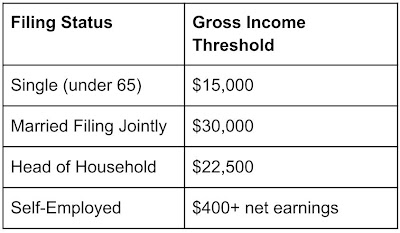
Filing requirements for the 2025 tax year depend on your income, filing status, and age. Generally, you must file a tax return if your gross income exceeds the standard deduction for your status. However, you should file even if you don't meet these thresholds if you are eligible for refundable tax credits like the Earned Income Tax Credit (EITC).
Critical 2026 Tax Filing Deadlines
Mark these key dates on your calendar for the 2026 tax season:
- January 31, 2026: Deadline to receive W-2 and 1099 forms.
- April 15, 2026: Federal tax filing and payment deadline for 2025 returns.
- June 15, 2026: Deadline for U.S. citizens living abroad.
- October 15, 2026: Final deadline if you filed a tax extension (Form 4868).
Important: A filing extension does not extend the time to pay any taxes owed. Payments are still due by April 15, 2026, to avoid penalties.
Documents Needed to File Your 2025 Tax Return
Gather these essential documents before starting your tax filing:
- W-2 Forms: From all employers.
- 1099 Forms: For freelance, investment, or retirement income.
- 1095-A Form: For ACA Marketplace health coverage.
- Prior-Year Return: Helpful for reference.
- Receipts: For deductible expenses (charitable, medical, business).
- Bank Account Details: For direct deposit of your refund.
Step-by-Step Tax Filing Process
- Collect all 2025 income and deduction documents.
- Choose your filing method: tax software, a CPA, or IRS Free File.
- Determine your correct filing status.
- Report all income, including side gigs and investments.
- Claim all eligible tax deductions and credits.
- File your return by the April 15, 2026, deadline.
- Track your refund using the IRS "Where's My Refund?" tool.
Choosing Your Tax Filing Status
Your filing status (Single, Married Filing Jointly, Head of Household, etc.) directly impacts your standard deduction and tax brackets. Selecting the correct status is vital to avoid errors and maximize your refund for your 2025 return.
Key Tax Deductions and Credits for 2025
Top Deductions:
- Standard Deduction: Expected to be ~$15,000 (Single) and ~$30,000 (Married Filing Jointly).
- Itemized Deductions: Mortgage interest, SALT deduction (up to $10,000), student loan interest (up to $2,500).
- Retirement & Savings: Contributions to Traditional IRAs and HSAs.
Top Credits:
- Child Tax Credit: Up to $2,000 per qualifying child.
- Earned Income Tax Credit (EITC): Up to $8,046 for eligible taxpayers.
- American Opportunity Tax Credit: Up to $2,500 for education expenses.
- Saver's Credit: For eligible retirement plan contributions.
Tax Filing for Self-Employed & Small Business Owners
If you had self-employment income in 2025, you must pay a 15.3% self-employment tax. Report net earnings on Schedule C (Form 1040) and deduct eligible business expenses (home office, mileage, equipment). Reduce taxable income by contributing to a SEP-IRA or Solo 401(k).









Artikel Terkait
Video Trump Memejamkan Mata di Acara Board of Peace Viral, Kesehatan Presiden AS Dipertanyakan
Kapolri Perintahkan Tes Urine Serentak Seluruh Personel Polri, Ini Tujuannya
Terbangun Pukul 3 Pagi? Ini Pola Tidur Alami Manusia, Bukan Insomnia
Aturan Baru Sertifikasi Halal: Produk Nonhalal Tidak Wajib Berlabel Halal